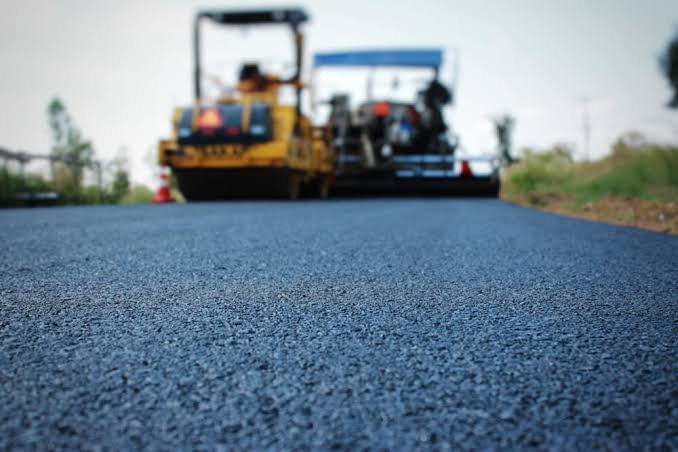
Asphalt is one of the most commonly used materials in the construction industry because of its strength, flexibility, durability, and ability to create smooth surfaces for vehicles and pedestrians. It is widely used for residential driveways, commercial parking lots, public roads, private access routes, and several other paving applications. This material is generally produced by combining mineral aggregates, such as crushed stone, sand, and gravel, with bitumen, which acts as a binding substance that holds the mixture together. The combination creates a surface capable of supporting regular traffic when it is properly designed and installed. Asphalt is also valued because it can be maintained through different repair methods, allowing property owners to protect their paved areas without always requiring complete replacement.
What Are Asphalt Materials and How Do Their Main Components Work Together?
When discussing what are asphalt materials, it is important to understand that asphalt is not simply a mixture of black stones or a layer of liquid tar. It is an engineered paving material made from carefully selected aggregates and a binding substance called bitumen. The aggregates create the structure and provide much of the mixture's strength, while bitumen coats the particles and holds them together after placement and compaction. Different aggregate sizes, mineral properties, and binder proportions can be used depending on the purpose of the project. For example, a residential driveway may require a different mixture from a heavily used commercial road. Selecting the correct combination helps the finished pavement handle expected traffic, weather exposure, and everyday surface pressure.
The Different Ingredients That Give Asphalt Its Strength and Durability
The performance of asphalt depends heavily on the quality and proportions of the ingredients used during production. Crushed stone provides a strong framework that helps the pavement support vehicle weight, while gravel and sand fill spaces between larger particles and contribute to a compact structure. Mineral fillers can also be included to improve the consistency and characteristics of the mixture. Bitumen works as the binding material, covering the aggregates and helping them remain connected after the pavement has been installed. Each ingredient serves a specific purpose, which means the materials must be selected carefully rather than combined randomly. When the aggregate grading and binder content are properly balanced, the resulting mixture can provide a stable surface suitable for different construction and paving requirements.
How Bitumen Works as the Main Binding Material in Asphalt Pavement
Bitumen is a petroleum-based binding material that gives asphalt much of its distinctive appearance and performance characteristics. It is naturally sticky and becomes workable when heated, allowing it to coat aggregate particles during the manufacturing process. Once the mixture is placed and compacted, the bitumen helps hold the particles together and contributes to the pavement's ability to respond to normal movement and temperature changes. The binder also helps limit water penetration when the pavement is properly constructed and maintained. However, using too much or too little bitumen can affect the finished mixture. A suitable binder grade and quantity must be selected according to the expected traffic, local climate, aggregate properties, and engineering specifications of the paving project.
Different Types of Asphalt Used for Residential and Commercial Paving
There are several types of asphalt mixtures available, and each one is designed to meet particular construction requirements. Hot mix asphalt is widely used for roads, driveways, and parking areas because it can provide a dense and durable paved surface when installed correctly. Warm mix asphalt is manufactured using specialized methods that allow production and placement at lower temperatures than conventional hot mixtures. Cold mix asphalt is often used for temporary repairs and selected maintenance applications because it can be handled without the same heating process. Porous asphalt is designed with connected spaces that allow water to move through the pavement under suitable conditions. Contractors select the appropriate mixture by considering project design, traffic demands, drainage requirements, and local weather conditions.
How Asphalt Is Manufactured at a Professional Production Facility
The manufacturing process takes place at an asphalt production facility where aggregates are measured, dried, heated, and combined with bitumen according to a specific mix design. The materials must be carefully controlled because inconsistent aggregate sizes or incorrect binder proportions can affect the quality of the finished product. During production, moisture is removed from the aggregates to help the bitumen coat them effectively. The heated ingredients are then blended until they form a consistent mixture that can be transported to the construction site. Production facilities may perform quality checks to confirm that the material meets the required specifications. Proper manufacturing helps ensure that the paving crew receives a suitable mixture that can be spread and compacted effectively.
Why Asphalt Is a Popular Choice for Residential Driveway Construction
Residential property owners often choose asphalt for driveways because it provides a smooth, practical, and visually consistent surface for everyday vehicle access. Its dark finish can complement many property designs, while its flexible structure allows it to accommodate certain types of movement in the supporting ground. A properly constructed driveway can provide a convenient area for parking, turning, and walking between the street and the home. However, its performance depends on much more than the visible surface layer. Soil preparation, base thickness, drainage, mixture selection, and compaction all contribute to the finished result. Homeowners should consider their vehicle usage, property layout, local weather, and future maintenance needs before deciding which paving material is appropriate.
The Important Benefits of Asphalt for Roads and Commercial Parking Areas
Roads and commercial parking areas experience continuous vehicle movement, braking, turning, and pressure from different vehicle weights. Asphalt is commonly used for these applications because it can be designed to accommodate a wide range of traffic conditions. Its smooth finish supports comfortable driving, while its flexible structure helps it respond to certain types of movement within the pavement and supporting ground. Another practical advantage is that many asphalt surfaces can be maintained through localized repairs, resurfacing, and planned maintenance instead of complete reconstruction whenever minor problems develop. Commercial property owners also appreciate the ability to organize paving work according to their access and parking requirements. The quality of the finished surface still depends on proper engineering, material selection, foundation preparation, and professional installation.
What Are Asphalt Advantages When Compared With Other Paving Materials?
Property owners frequently compare asphalt with concrete, gravel, and other paving materials before starting a construction project. Understanding what are asphalt advantages can make this comparison easier because asphalt offers a combination of flexibility, smoothness, repair options, and relatively efficient installation under suitable conditions. Its surface can be designed for different traffic levels, making it useful for residential and commercial applications. Asphalt can also be resurfaced when the existing pavement has suitable structural support, which may help extend its useful life. However, the best material depends on the specific property and its requirements. Initial cost, long-term maintenance, appearance, soil conditions, climate, drainage, and expected vehicle loads should all be evaluated before making a final paving decision.
Why Proper Ground Preparation Is Essential Before Asphalt Installation
Ground preparation is one of the most important stages of any asphalt paving project because the surface needs a stable foundation to support regular traffic. Before installation begins, contractors examine the property to identify weak soil, uneven sections, existing pavement problems, and areas where water may collect. Unsuitable materials may need to be removed, and the ground must be graded according to the project design. If the foundation is unstable, the finished pavement can develop depressions, uneven areas, and premature deterioration even when high-quality materials are used. Proper preparation also helps establish the correct surface height and creates suitable conditions for the base layer. Taking enough time during this stage can significantly improve the overall performance and reliability of the completed paving project.
How a Properly Constructed Base Layer Supports Asphalt Pavement
The base layer sits beneath the asphalt surface and plays an essential role in distributing the weight of vehicles across the prepared ground. It is commonly constructed using crushed stone or other suitable aggregate materials that can be spread and compacted to create a stable foundation. The required base thickness depends on several factors, including soil strength, expected traffic, drainage conditions, and the overall design of the pavement. A driveway intended for regular passenger vehicles may have different requirements from a commercial area used by delivery trucks. Contractors must ensure that the base is evenly distributed and properly compacted before the asphalt mixture is placed. If this supporting layer is weak or uneven, the pavement may experience settlement, movement, and surface damage over time.
The Process of Spreading and Compacting Asphalt During Construction
Once the site and foundation are properly prepared, the asphalt mixture is transported to the property and placed across the designated paving area. A paving machine or suitable equipment spreads the material to achieve the required thickness and surface shape. The crew then uses rollers to compact the mixture while it remains within the appropriate working temperature range. Compaction reduces unnecessary air spaces, improves the connection between aggregate particles, and helps create a dense and stable pavement. Workers must also pay close attention to edges, joints, transitions, and areas around drainage structures because these locations can affect the finished surface. Consistent placement and proper rolling techniques are essential for achieving a smooth appearance and dependable pavement performance.
Why Proper Drainage Helps Protect Asphalt From Premature Damage
Drainage is a major consideration in paving because water can gradually weaken the pavement and the supporting layers beneath it. When rainwater remains on a driveway or parking lot, it may enter openings, collect around the edges, or reach areas where the foundation is not adequately protected. Over time, moisture can contribute to deterioration, settlement, and other structural problems. A properly designed paved surface should have suitable slopes that direct water away from buildings, entrances, and frequently used areas. Depending on the property, contractors may recommend surface drains, channels, or additional drainage improvements. Good drainage planning should take place before installation rather than being treated as an afterthought once water-related problems appear.
What Are Asphalt Surfaces Like Under Changing Weather Conditions?
Understanding what are asphalt surfaces like in different weather conditions helps property owners make better decisions about material selection and maintenance. Asphalt responds to temperature changes because bitumen can become softer in hot conditions and firmer in colder weather. During periods of extreme heat, heavy or stationary vehicles may place additional pressure on surfaces that have not been designed for those conditions. In colder climates, water entering small openings may freeze and expand, contributing to deterioration if the pavement is not properly maintained. These conditions do not mean asphalt is unsuitable for changing climates, but they make correct mixture selection and installation especially important. Proper drainage, pavement thickness, compaction, and regular inspections all help improve performance across seasonal changes.
The Common Residential and Commercial Applications of Asphalt
Asphalt is used in many different construction projects because its mixture design and pavement structure can be adjusted to suit different applications. Residential properties commonly use it for private driveways, shared access routes, and selected walking areas. Commercial buildings often require asphalt parking lots, delivery access lanes, loading areas, and vehicle circulation routes. Municipal construction projects use it for local streets and other public road surfaces, while larger transportation projects may require specialized pavement designs. Each application involves different demands related to traffic volume, vehicle weight, drainage, and expected service life. A material that works well for a small residential driveway may not be suitable for a commercial loading area without changes to the design and supporting foundation.
How Regular Maintenance Helps Preserve the Quality of Asphalt Pavement
Regular maintenance is important because it helps property owners identify small surface problems before they develop into more expensive repairs. An asphalt driveway or parking area should be inspected periodically for developing openings, loose edges, uneven sections, water collection, and signs of surface deterioration. Removing dirt and debris can help keep drainage areas clear, while suitable repairs can protect damaged locations from further deterioration. Sealcoating may be recommended for certain pavements as part of a maintenance program, but it should not be treated as a solution for structural foundation problems. The correct maintenance approach depends on pavement age, traffic levels, weather exposure, installation quality, and the condition of the existing surface. Consistent attention can help preserve appearance and performance.
Common Problems That Can Reduce the Lifespan of Asphalt Driveways
Although asphalt can provide a durable paving surface, it may experience different problems as it ages or responds to traffic and weather conditions. Common concerns include potholes, surface openings, fading, loose aggregate, depressions, and deterioration along pavement edges. Some problems develop naturally through long-term use, while others may result from poor drainage, inadequate base preparation, incorrect material selection, or insufficient compaction during installation. Identifying the actual cause is important because covering the visible damage without correcting the underlying issue may only provide temporary improvement. For example, an area affected by foundation settlement may require more extensive work than a simple surface repair. A professional inspection can help determine whether patching, drainage improvements, resurfacing, or reconstruction is the most suitable solution.
Comparing Asphalt and Concrete for Residential Driveway Projects
Asphalt and concrete are two common options for residential driveway construction, but they provide different benefits and require different maintenance approaches. Asphalt generally offers a dark, flexible surface that can be installed efficiently when the site and weather conditions are suitable. Concrete provides a rigid surface and can be finished in different colors, textures, and decorative styles. The choice between them depends on the property owner's budget, preferred appearance, expected vehicle usage, local climate, and willingness to maintain the surface. The condition of the soil and the quality of the supporting foundation are also important considerations. Instead of comparing only the initial installation price, homeowners should evaluate the expected maintenance requirements and overall performance of both materials.
How Recycled Asphalt Materials Support More Sustainable Construction
Recycling has become an important part of modern paving because existing pavement materials can sometimes be processed and reused in new construction. Reclaimed asphalt pavement contains aggregate and residual bitumen recovered from previously installed surfaces. After appropriate processing and quality checks, this material can be incorporated into new asphalt mixtures according to an approved design. Reusing suitable materials can reduce the demand for certain new resources and help limit the amount of removed pavement sent to disposal facilities. However, recycled content must be managed carefully because its characteristics can influence the performance of the finished mixture. Professional suppliers and engineers determine how much reclaimed material can be used while still meeting the project's technical and durability requirements.
What Are Asphalt Costs and Which Factors Affect the Total Project Budget?
When homeowners and commercial property owners ask what are asphalt costs, they should understand that the final price depends on several parts of the construction process. The estimate may include site preparation, excavation, removal of existing materials, disposal, grading, base installation, drainage improvements, asphalt supply, equipment, and labor. The size of the paved area and the required pavement thickness can also influence the overall budget. Properties with unstable soil, limited equipment access, or complicated drainage conditions may require additional work before paving can begin. Comparing written estimates is a practical way to understand what each contractor includes in the proposed project. A detailed quotation should explain the materials, preparation work, installation method, and any additional services that may affect the final cost.
How to Select a Reliable Contractor for Professional Asphalt Paving
Choosing the right contractor is an important decision because the quality of installation has a direct effect on the performance of the finished pavement. Property owners should look for professionals who can explain how they prepare the ground, select materials, construct the base, manage drainage, and compact the asphalt mixture. Reviewing previous projects can provide useful information about the contractor's workmanship and experience with similar properties. It is also helpful to request a written estimate that clearly describes the work included, proposed material specifications, project schedule, and any relevant service conditions. Homeowners should avoid selecting a contractor based only on the lowest quoted price because differences in preparation and material quality can influence long-term results. Clear communication helps prevent misunderstandings and supports a more organized construction process.
How Proper Installation and Maintenance Influence Asphalt Service Life
The service life of an asphalt surface depends on how well the pavement is designed, installed, and maintained throughout its use. A driveway that supports a few household vehicles experiences different demands from a commercial parking lot used by customers, employees, and delivery trucks. Proper foundation preparation and suitable pavement thickness help distribute vehicle loads, while effective drainage reduces the risk of moisture-related deterioration. Regular inspections allow property owners to identify developing problems and arrange appropriate repairs before damage spreads across larger sections. The quality of the original mixture, installation temperatures, compaction, and local weather also influence pavement performance. Although every paved surface eventually requires maintenance, a properly planned project can help reduce avoidable problems and protect the owner's investment.
Important Questions to Ask Before Beginning an Asphalt Paving Project
Before approving an asphalt paving project, property owners should understand exactly how the contractor intends to complete the work. They should ask whether the existing surface needs removal, how the ground will be prepared, what base material will be installed, and which asphalt mixture is recommended. It is also important to discuss the proposed pavement thickness, drainage arrangements, compaction process, and expected project schedule. Property owners should clarify when the new surface can safely be used and whether any specific maintenance recommendations apply after installation. Asking these questions helps establish realistic expectations and makes it easier to compare different estimates. A detailed written agreement should describe the work, materials, responsibilities, and relevant project conditions before construction begins.
Making an Informed Decision About Asphalt for Your Next Paving Project
Selecting asphalt for a driveway, parking lot, or access road requires an understanding of the property's specific needs rather than relying on general claims about paving materials. Property owners should consider the condition of the soil, expected vehicle traffic, drainage requirements, local weather, available budget, and long-term maintenance expectations. Learning what are asphalt materials and how they are produced can make it easier to understand why preparation, aggregate quality, binder selection, and compaction matter so much. A successful project combines a suitable pavement design with proper installation and consistent maintenance. For professional paving, driveway construction, and masonry services, Promaster Maintenance Corp Paving and Masonry can help property owners evaluate their requirements and explore practical solutions for improving their outdoor surfaces.